
Why is my dog shaking and panting? Most dog owners notice their pets shaking and panting at some point, and it can be worrying when you’re not sure why. Your dog might be expressing excitement, feeling too hot or cold, or showing signs of an underlying health issue. Understanding the possible causes can help you decide when to stay calm and when to seek veterinary care.
Key Takeaways:
- Shaking and panting can be normal responses to temperature changes, excitement, or anxiety, especially in small or thin-coated dogs.
- These symptoms may also indicate serious health issues such as fever, infection, poisoning, generalized tremor syndrome, or heat stroke, requiring prompt veterinary attention.
- Observing additional signs like vomiting, lethargy, seizures, or excessive drooling can help determine when to seek immediate veterinary care.
Why is My Dog Shaking and Panting?
Shaking and panting in dogs point to a variety of possible causes, ranging from simple temperature regulation to serious health conditions. You might see these symptoms when your dog is anxious, overheated, or feeling unwell. Understanding the specific context and accompanying signs can help you figure out if your dog needs a vet visit or just a comforting cuddle. Let’s break down the most common reasons behind these behaviors so you can better care for your furry friend.
Fever or Infection
Excessive shaking and panting might be your dog’s way of battling a fever or fighting an infection. These symptoms often come with lethargy, vomiting, diarrhea, and heavy drooling. If your dog seems unusually tired, refuses to eat, or shows these additional signs, getting prompt veterinary help can prevent a worsening condition.
Heat Stroke
Heat stroke sneaks up quickly and can cause your dog to shake and pant heavily as their body struggles to cool down. Other signs include drooling, rapid breathing, a pounding heart, and glassy or sunken eyes. Immediate cooling and veterinary attention are necessary to avoid serious complications.
Heat stroke in dogs happens when their internal temperature rises above 104°F (40°C), impairing vital organ function. Dogs with short noses, thick coats, or underlying health issues are especially at risk. Without swift intervention—like soaking them with cool water, providing fresh water to drink, and seeking emergency veterinary care—the condition can lead to seizures, organ failure, or even death. Knowing how to spot these signs early can save your dog’s life.
Cold Weather
Your dog may tremble or shiver simply because they’re feeling chilly. Thin-coated or naturally skinny breeds are more prone to the cold, and shaking helps generate body heat. However, persistent shivering after warming up might indicate hypothermia or another health problem that needs veterinary attention.
When exposed to cold temperatures, your dog’s body tries to maintain warmth through muscle contractions, which causes shaking. Prolonged exposure can drop their core temperature dangerously low, affecting heart and brain function. Smaller dogs, puppies, and senior dogs are particularly vulnerable. Using dog sweaters or limiting time outside on cold days can keep your dog comfortable and prevent potential hypothermia.
Generalized Tremor Syndrome (GTS)
Known as shaker syndrome, GTS causes whole-body tremors mainly in small breed dogs. It’s thought to be an immune-related disorder affecting the central nervous system. Treatment with corticosteroids usually reduces shaking and improves quality of life remarkably.
GTS often strikes suddenly, with dogs showing uncontrollable body quivering despite appearing alert and responsive. While neurological exams and blood tests help with diagnosis, timely corticosteroid therapy typically results in rapid improvement, although some dogs may require ongoing care to manage symptoms.
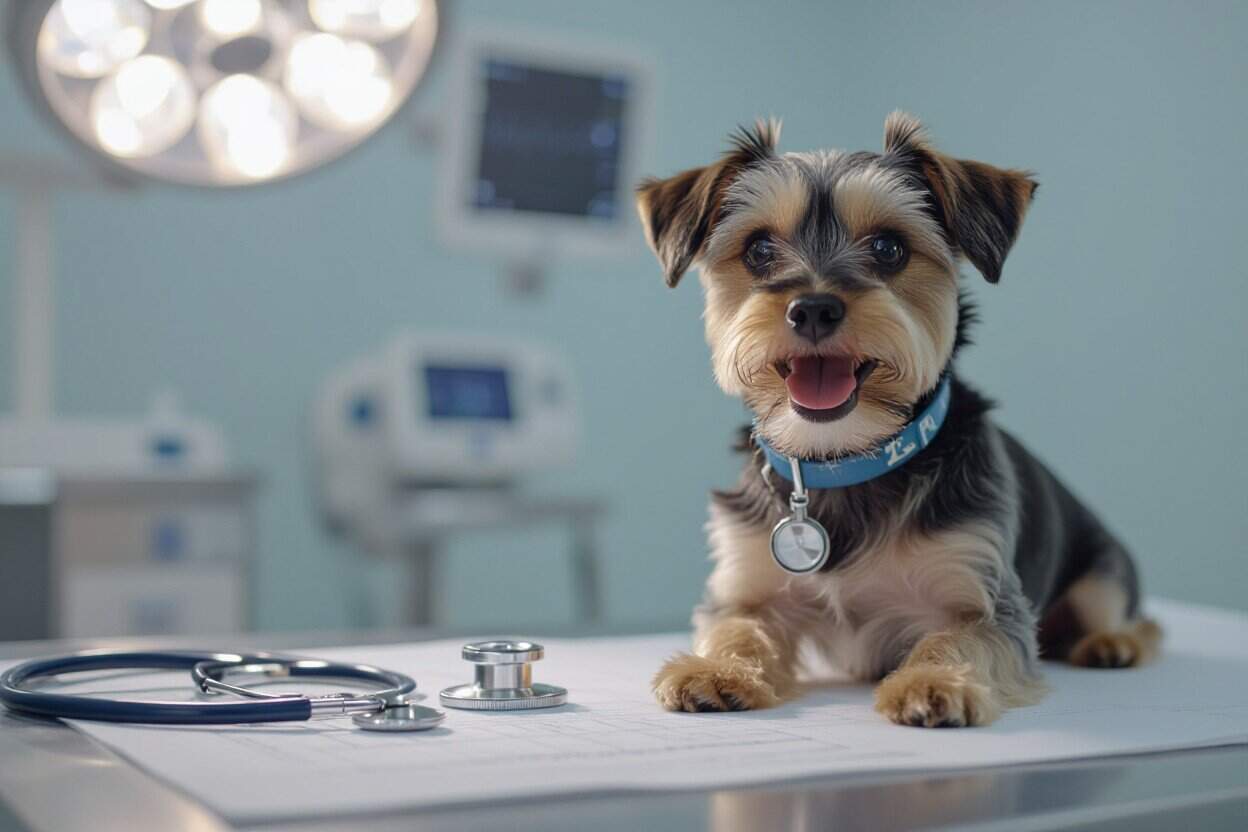
Why is My Dog Shaking So Much?
Distemper
Canine distemper affects young, unvaccinated dogs and causes shaking, fever, and discharge from the eyes and nose. This viral infection may require complex treatment including antibiotics, IV fluids, and respiratory support to help your dog recover.
The contagious nature of distemper means outbreaks can be devastating in shelters or multi-dog households. Early veterinary intervention can reduce complications like pneumonia or neurological damage. Vaccination remains your best defense against this potentially fatal illness.
Anxiety
Stress and anxiety often manifest as shaking and panting. You may notice your dog trembling at the vet, during thunderstorms, or when meeting new dogs. These physical signs reflect your dog’s emotional state and may be eased with behavior therapy, medication, or calming aids like CBD oil.
Dogs experiencing anxiety can show a range of symptoms beyond shaking and panting, including pacing, whining, and destructive behavior. Repeated exposure to stressful situations without proper support might increase fear-driven aggression or withdrawal. Consulting a behavior specialist can help create coping strategies and improve your dog’s confidence in challenging scenarios.
Poisoning
If your dog has ingested something toxic, shaking and panting can be early warning signs alongside vomiting, drooling, seizures, and confusion. Common poisons include chocolate, xylitol, caffeine, and over-the-counter medications. Immediate veterinary care is vital once poisoning is suspected.
Some toxins act rapidly, affecting your dog’s nervous system and causing convulsions or collapse within minutes to hours. Recognizing subtle signs like weakness, incoordination, or diarrhea can buy you critical time to get your dog to an emergency vet. Always store harmful substances out of reach to reduce risk.
Nausea
Nausea often causes panting, shaking, lip licking, and repeated swallowing in dogs. It can stem from motion sickness, overeating, or side effects of medication. You might also spot yawning and lethargy as your dog tries to settle an uneasy stomach.
Unlike vomiting, nausea may be harder to detect but just as distressing for your dog. Gentle care, withholding food for a few hours, and consulting your vet about anti-nausea medication can help soothe your pet’s discomfort and avoid dehydration.
Steps to Take: Your Action Plan
Start by observing your dog closely—note when the shaking and panting began, their frequency, and any accompanying symptoms like vomiting or lethargy. Keep your pup calm and comfortable while managing temperature extremes, such as cooling them during heat or warming them when cold. Avoid giving any human medications unless directed by a vet, and remove any potential toxins from their reach. Documenting these details will help your veterinarian diagnose the issue swiftly and accurately.
Responses to Physical Distress
If your dog appears physically distressed—panting heavily, trembling uncontrollably, or showing signs like drooling or unsteady walking—acting fast is key. Move them to a quiet, cool area and offer small amounts of water if they’re alert. For suspected overheating, gently wet their paws and belly or use a damp cloth to cool them down. Avoid forcing water or treatments that may cause choking or further stress, and monitor vital signs like breathing and responsiveness closely.
When to Seek Veterinary Help
Seek immediate veterinary care if shaking and panting come with other worrying symptoms such as vomiting, diarrhea, seizures, weakness, disorientation, or if your dog has ingested a possible toxin. Persistent trembling despite warming or cooling efforts, sudden behavioral changes, or signs of severe pain should also prompt a vet visit. Timely intervention can prevent complications and improve your dog’s chances of a full recovery.
Delaying a vet visit during serious episodes can worsen your dog’s condition, especially in situations like poisoning, heatstroke, or infections. Vets may run blood tests, provide IV fluids, or administer medications such as corticosteroids for tremor syndromes. In emergencies, treatments like oxygen therapy or hospitalization may be necessary. Having exact notes about your dog’s symptoms and recent activities will assist your vet in providing the best care swiftly.
My Dog is Shaking: Prevention
Managing your dog’s shaking and panting involves a mix of observing their behavior, environment, and physical condition. Monitor your dog for triggers like temperature extremes, fear, or potential toxins. Keep a regular check on their hydration and diet to avoid nausea or poisoning. Scheduling routine vet visits and vaccinations can ward off infections like distemper. Creating a calm space and adjusting their surroundings can prevent anxiety-induced trembling. Thou should always prioritize prompt vet attention if shaking and panting worsen or come with other symptoms like vomiting or lethargy.
Calm Environment
Your dog’s anxiety often lessens when their environment feels safe and predictable. Provide a quiet corner with soft bedding away from loud noises and heavy foot traffic. Use calming scents like lavender or dog-appeasing pheromones, which some studies show can reduce stress behaviors. Consistent daily routines, including feeding and walking times, help your pup feel secure. When storms or fireworks strike, try playing relaxing music or offer a weighted blanket designed to hug and calm anxious dogs.
Keeping Your Dog Cool or Warm
Temperature extremes can trigger shaking or panting, especially in small or thin-coated dogs. A cooling vest or damp towel can quickly lower their body heat on hot days, while insulated jackets and warm bedding protect against cold snaps. Provide fresh water at all times and avoid midday walks in summer. In winter, dry your dog’s paws and fur thoroughly after outdoor time to prevent chill. Thou can also create a temperature-controlled space using fans or heaters set to safe levels to keep your pup comfortable year-round.
Adjusting your dog’s temperature comfort isn’t just about gear; you need to understand their breed-specific needs. For example, Chihuahuas and Greyhounds have less body fat and tend to shiver more in chilly weather, so layering them with dog sweaters prevents discomfort. Meanwhile, Bulldogs and Pugs can overheat easily due to their flat faces, so shade and air circulation become critical in warm weather. Monitoring panting patterns alongside their activity level helps you proactively avoid heat stroke or hypothermia.
Last Words
Ultimately, if your dog is shaking and panting, it could be due to many reasons, from excitement or temperature changes to more serious health problems. Paying attention to your dog’s overall behavior and any other symptoms will help you decide when to seek veterinary care. By staying observant and acting promptly, you can ensure your furry friend stays happy and healthy.
FAQ
Q: Can shaking and panting in my dog indicate an emergency?
A: Yes, shaking and panting can sometimes signal a medical emergency, such as poisoning, heat stroke, or a severe infection.
Q: How can I tell if my dog’s shaking and panting are due to anxiety?
A: Dogs often shake and pant when they feel stressed, anxious, or scared, such as during visits to the vet or encounters with unfamiliar dogs. If the shaking is accompanied by behaviors like trembling during thunderstorms, avoidance, or nervousness in certain situations, it’s likely related to anxiety.
Q: When is panting and shaking considered normal in dogs?
A: Panting is a natural way for dogs to cool themselves and maintain oxygen levels. Shaking can also be normal, especially in small breeds like Chihuahuas or when a dog is cold.
